
Green Line trade regime: Specifics and barriers in Cyprus
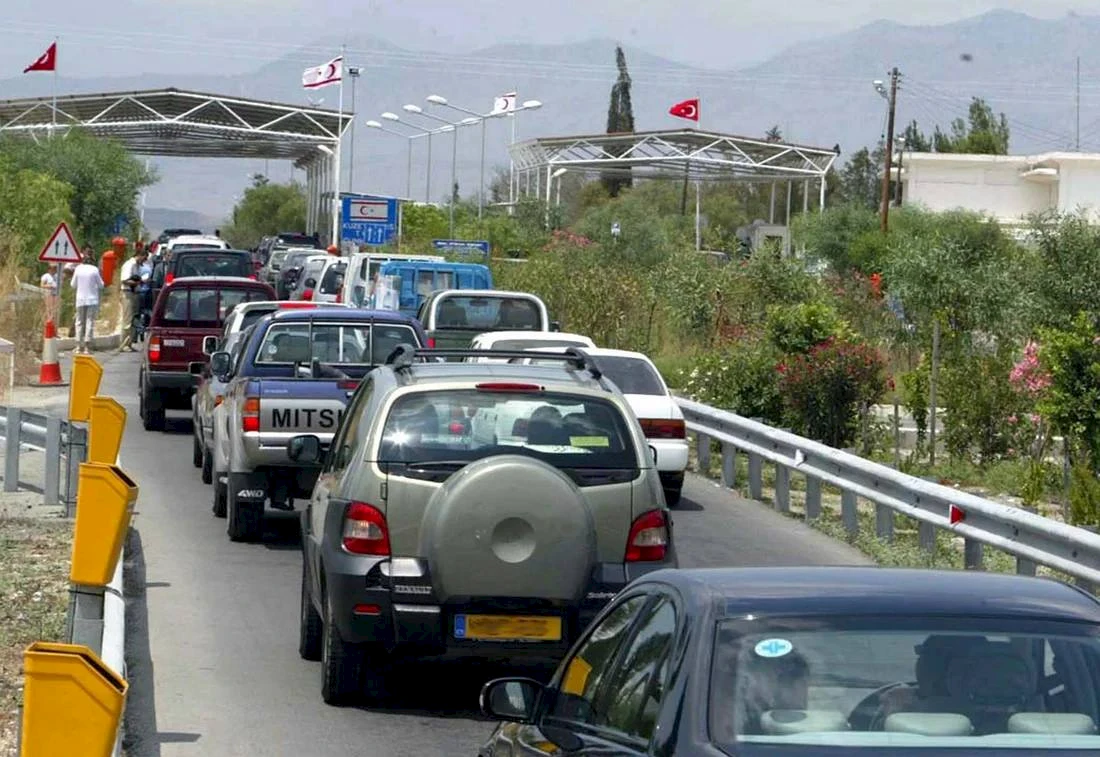
Trade across the so-called Green Line in the Republic of Cyprus is one of the few functioning mechanisms of economic interaction between the two parts of the divided island. After the events of 1974, Cyprus was effectively split, and the buffer zone, under UN control, became not only a symbol of political conflict but also a kind of filter for economic ties.
The situation became more complicated after the Republic of Cyprus joined the European Union in 2004. Brussels had to find a balance between not recognizing the self-proclaimed TRNC and the need to maintain contact between the two communities. The answer was EU Regulation No. 866/2004, better known as the Green Line Regulation.
The document effectively created a limited trade corridor: goods produced in the north can enter the south if they meet EU standards. At the same time, the line itself is not considered an external border of the Union.
How does the Green Line trade regime work in Cyprus?
Today, trade across the Green Line on the island functions as a compromise structure in which the economy is closely intertwined with politics. The main flow of goods goes from north to south: for Turkish Cypriot businesses, it is a rare opportunity to enter the EU market, and for the south, it is more of an additional source of certain goods. However, producers face strict EU requirements, complex certification, and administrative barriers.
Trade is on the decline
Recent data indicates a worrying trend: the volume of trade across the Green Line is decreasing. While in 2024 supplies from the north to the south amounted to about 15.1 million euros, in 2025 they fell to 13.9 million euros — a drop of about 8%. This underscores the fragility of the entire system, which depends on the political and regulatory environment.
What exactly is sold across the demarcation line?
The structure of trade is gradually changing, reflecting deep processes in the region's economy:
- Mobile homes: Have become the engine of export (4.3 million euros, 31% of volume).
- Wooden furniture: Ranks second (19%), despite a decline.
- Plastic products: Third position with a volume of about 2.2 million euros (16%).
- Other: Construction materials, fish, and scrap metal.
Failure in construction and agriculture
The most drastic changes occurred in the construction sector: the export of materials decreased by 32%. Particularly telling is the collapse of aluminum product supplies — from 662 thousand euros to just 40.8 thousand euros.
In agriculture, the situation is even more dramatic. Exports of fruits and vegetables have effectively collapsed by 97%. Citrus fruits have practically disappeared from trade turnover. Experts attribute this primarily to strict EU phytosanitary requirements, which northern producers cannot always meet.
New growth drivers and prospects
Against the backdrop of the general decline, certain segments are showing resilience. Supplies of plastic bags and scrap metal have increased noticeably. These data point to a gradual transformation of the economic structure: from traditional agriculture to niche industrial goods.
Trade across the Green Line remains an important symbolic channel. In macroeconomic terms, its significance is small (less than 0.1% of GDP for the Republic of Cyprus), but for individual enterprises, it is the only way to the external market. Without a political settlement, the potential of this mechanism on the island remains limited.
Brief conclusions:
- Trade across the Green Line in Cyprus is governed by EU Regulation No. 866/2004.
- The total volume of trade turnover in 2025 decreased by 8%, amounting to 13.9 million euros.
- Mobile homes became the export leader, while the agro-sector showed a 97% drop.
- The main obstacles remain EU phytosanitary standards and political instability.
Author

Born in the city of shipbuilders, Mykolaiv (Ukraine). Currently living in Moscow. Diplomat in reserve. More than 10 years of experience in the Mediterranean region (Greece, Cyprus). Until 2015, First Secretary of the Russian Embassy in Cyprus. Fluent in Greek and English. Completed civil service in…
You may also be interested in:
- Cyprus joined international operation against counterfeit medicines
- Evacuation of MV Hondius: passengers with hantavirus removed from Tenerife under strict control
- Cypriot President to address Greek Parliament for the first time in 16 years
- Cypriot President arrived in Abu Dhabi escorted by F-16 fighter jets
- Mass brawl in Ipsonas: five people in custody, police searching for 15 participants
