
Cyprus settlement: Diplomacy without a breakthrough and a new era of managed division
Managing division
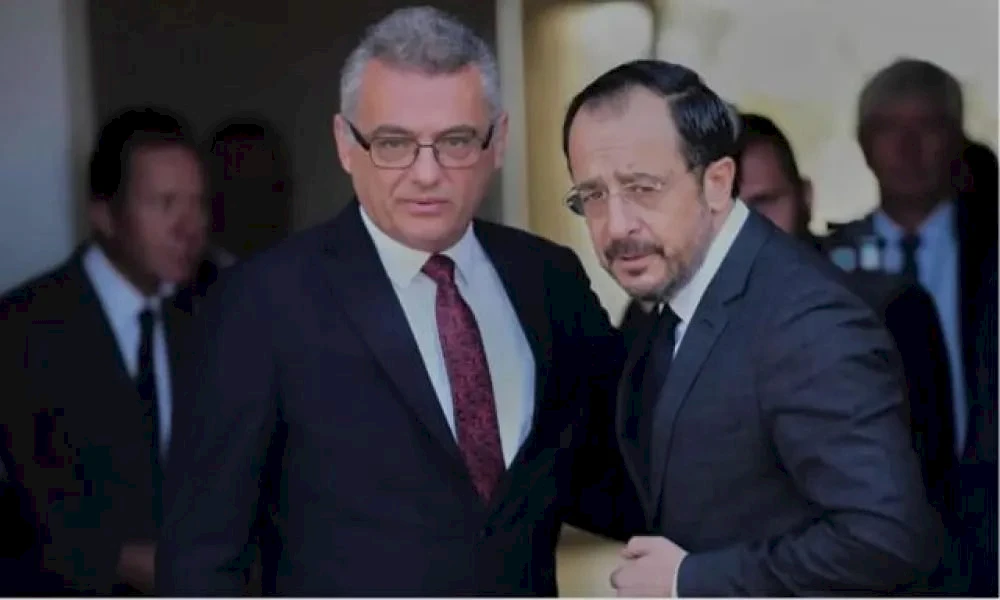
The latest meeting between the leaders of the two communities in Cyprus was yet another confirmation that the negotiation process today is focused not on finding a political solution, but on maintaining controlled interaction between the parties. The outcome of the talks was four confidence-building measures: the creation of a civil society advisory body, harmonization of the framework for religious ceremonies across the island, continued cooperation on health matters, and the establishment of a certification mechanism for Turkish Cypriot products, including halloumi.
These agreements allow for the maintenance of working communication channels and a minimum level of functional cooperation. However, they do not address key political contradictions and do not bring the parties closer to solving the fundamental issues of the Cyprus settlement.
In fact, it is about forming a model of "soft managed division," where the parties adapt to long-term coexistence under the conditions of a persistent political split.
Zero activity
The most telling result of the meeting was the lack of progress on truly important issues. Despite the efforts of the UN Secretary-General's personal envoy, María Ángela Holguín, the parties could not even agree on the opening of new crossing points.
For the UN, this issue was seen as a minimum step capable of creating positive dynamics before a possible "5+1" format conference. However, failure even at such a limited level shows how deeply political approach differences remain.
Today, the parties exist in a mode of peculiar parallel movement: they avoid direct confrontation but demonstrate no real convergence. A "positive atmosphere" becomes more of a diplomatic tool for managing a stalemate than a sign of genuine progress.
Where is the framework?
The President of the Republic of Cyprus, Nikos Christodoulides, continues to maintain rhetoric about the possibility of resuming a full negotiation process. After the meeting, he again stated prospects for an expanded international conference in the summer and a potential return to substantive negotiations.
However, behind these statements, a clear political framework is still missing. No agreed list of discussion topics has been presented, nor is there an understanding of what the format of the new process could be and how ready the parties are to move toward compromises.
Appeals to António Guterres as the initiator of a new diplomatic initiative create expectations but are not yet backed by specific parameters for future dialogue.
Internal affairs of Turkish Cypriots
The Greek Cypriot side increasingly links the stagnation of negotiations with the internal political situation in the Turkish Cypriot community. Christodoulides openly hints at the influence of the ruling alliance around the National Unity Party (UBP) and upcoming political processes in the occupied territories.
In Nicosia, it is believed that internal political dynamics limit Tufan Erhürman's maneuverability, especially amid discussions of possible early "parliamentary" elections.
There are expectations that the strengthening of forces supporting the federal perspective could change the political balance in the Turkish Cypriot community. However, for now, this remains a future scenario rather than a factor in current policy.
An attempt to gloss over
For his part, Tufan Erhürman took a more reserved position after the talks. He acknowledged that the agreements reached might look limited, yet emphasized their importance for maintaining inter-communal dialogue.
Such rhetoric reflects an understanding that the parties have not yet approached the stage of serious discussion on the essence of the Cyprus problem. The main task remains maintaining contact and preventing total political alienation.
This is why current meetings are more characterized as diplomatic accompaniment of the status quo than preparation for a historical compromise.
Seeking clear positions
The United Nations is also demonstrating growing caution. After several failed attempts to launch a new negotiation process in New York, they are not ready to convene another international conference without minimum confidence in a political basis for meaningful negotiations.
For this reason, the return of María Ángela Holguín to Cyprus is no longer seen as an automatic step. International mediators aim first to assess the real intentions of the parties and understand if even a limited possibility of progress exists.
The UN increasingly understands: a new process without a common basis risks repeating the fate of previous failed initiatives.
Two directions
Behind the scenes of international diplomacy, two possible approaches to a new settlement attempt are being discussed today. The first involves preparing a strategic framework document that will define in advance the main parameters of future negotiations and a minimum political base.
The second approach is associated with a more flexible concept supported by María Ángela Holguín. It suggests a gradual and phased process, allowing for the discussion of intermediate models, including elements of confederation.
So far, neither option has taken final shape. However, the very fact that such discussions are emerging shows that the traditional federal model faces increasing difficulties.
Today, the Cyprus settlement is in a transitional but highly uncertain phase. Meetings continue, parties maintain diplomatic contacts, and the United Nations maintains involvement in the process. However, the real gap between process management and substantive negotiations remains significant.
The main feature of the current stage is the gradual strengthening of the status quo. The division of the island is seen less as a temporary state and more as a stable political reality.
It is this transformation that is becoming the main challenge for the future of the Cyprus settlement today.
Author
Born in the city of shipbuilders, Mykolaiv (Ukraine). Currently living in Moscow. Diplomat in reserve. More than 10 years of experience in the Mediterranean region (Greece, Cyprus). Until 2015, First Secretary of the Russian Embassy in Cyprus. Fluent in Greek and English. Completed civil service in…
You may also be interested in:
- Cyprus joined international operation against counterfeit medicines
- Evacuation of MV Hondius: passengers with hantavirus removed from Tenerife under strict control
- Cypriot President to address Greek Parliament for the first time in 16 years
- Cypriot President arrived in Abu Dhabi escorted by F-16 fighter jets
- Mass brawl in Ipsonas: five people in custody, police searching for 15 participants
