
Cyprus between growth and vulnerability: what is happening with the island's economy in 2026

At the beginning of 2026, the economy of Cyprus presents a mixed picture. On one hand, there is growth in tourism revenue and an improvement in the external balance in the Republic of Cyprus. On the other hand, falling exports, a growing trade deficit, and the still heavy legacy of the debt crisis persist. We examine what lies behind these figures and what to expect next.
What are the prospects for the tourism sector in Cyprus?
The main pillar of the Cypriot economy—the service sector—continues to deliver tangible results and remains the primary driver of growth in 2026. In the fourth quarter of 2025 alone, the surplus in this sector reached an impressive 2.5 billion euros.
The contribution of tourism is particularly notable. In January 2026, industry revenues grew by almost 8%. Tourists from Poland, Israel, and the UK are actively visiting the island. However, there is a nuance: the average expenditure per tourist has slightly decreased. This means that while there are more guests, they are spending a bit less. For the economy, this is a signal: there is quantitative growth in tourism, but qualitative growth remains questionable.
Exports are falling, imports are rising
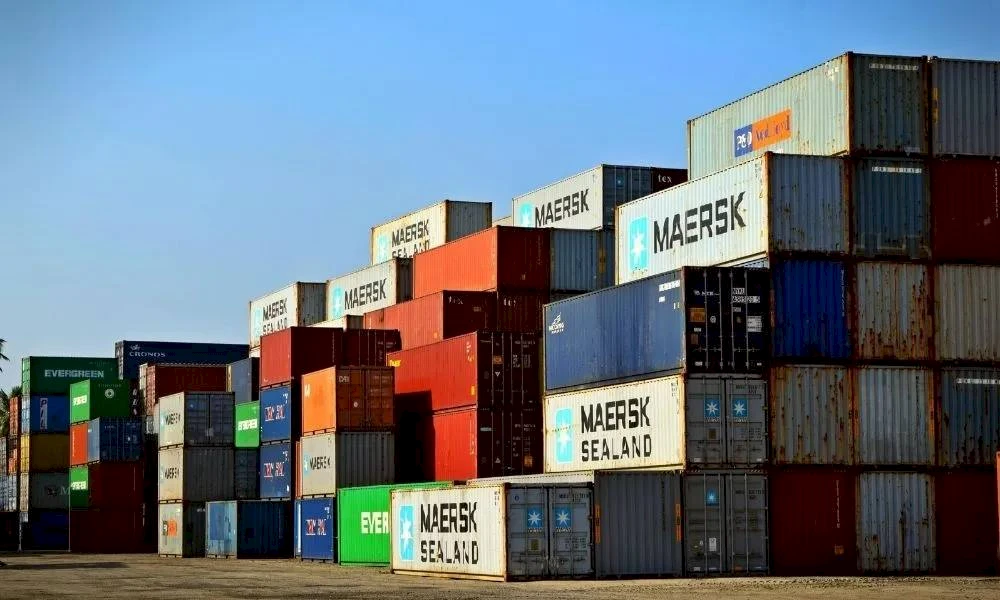
While the service sector pulls the economy up, trade in goods pulls it down. In February 2026, Cyprus's exports literally collapsed—by more than 50%. Imports, conversely, rose. As a result, the trade deficit reached 1.34 billion euros in the first two months of the year alone.
Part of the decline is explained by a reduction in large deals (e.g., ship sales), but the problem is deeper: Cyprus remains heavily dependent on imports and has poorly developed its own manufacturing.
Consumer demand and the auto market
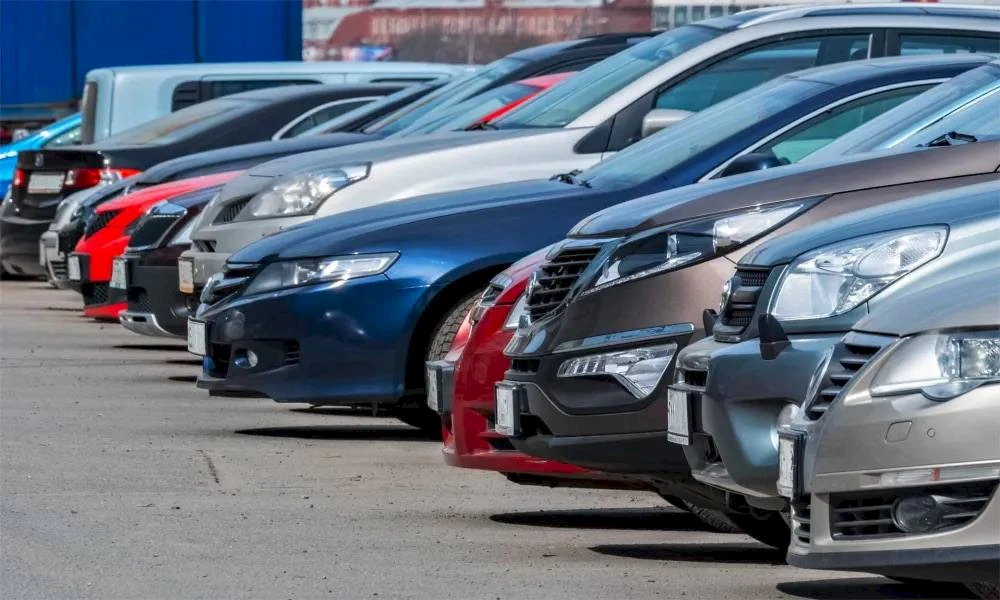
Domestically, the situation looks more stable. Residents continue to spend money—this is evident, for example, in the growth of car sales. In the first quarter of 2026, passenger car registrations rose by almost 11%. However, the growth rate is slowing down: while there was a spike in February, the dynamics in March were more modest.
An interesting detail is the rapidly changing demand structure. More and more buyers are choosing hybrid vehicles, while the share of petrol cars is declining. This reflects a gradual transition to more eco-friendly consumption.
Why do "bad" loans remain a risk for the Cyprus economy?
The main structural risk for the island's financial system is the huge volume of non-performing loans, which hinder domestic investment. At the end of 2025, almost 94% of loans held by credit management companies remained problematic.
Yes, the volume of such loans is gradually decreasing, but very slowly. And while banks and financial structures "digest" old debts, the economy lacks the investment and credit needed for growth. Compared to other EU countries, Cyprus looks more like a vulnerable player. While Europe's largest economies accumulate surpluses, the island remains among the countries with a current account deficit.
Prospects and challenges
The economy of Cyprus today is a balance between strengths and weaknesses:
- Pros: steady growth in the service sector, recovery of tourism, and stable domestic demand.
- Cons: chronic trade deficit, weak exports, and a high level of problematic debt.
The main question is whether Cyprus can move beyond a "service economy" and diversify. Without this, the country will remain vulnerable to any external shocks—from crises to changes in tourist flows. Cyprus today is an economy that has learned to recover but has not yet shed its old problems. To move forward, the island needs not just more tourists, but a new economic model.
Summary:
- Tourism revenues on the island increased by 8%, but average tourist spending is decreasing.
- The trade deficit at the beginning of 2026 amounted to 1.34 billion euros due to falling exports.
- The car market shows 11% growth with a clear trend toward hybrid models.
- The issue of non-performing loans (94% in asset management companies) remains critical.
Author

Born in the city of shipbuilders, Mykolaiv (Ukraine). Currently living in Moscow. Diplomat in reserve. More than 10 years of experience in the Mediterranean region (Greece, Cyprus). Until 2015, First Secretary of the Russian Embassy in Cyprus. Fluent in Greek and English. Completed civil service in…
You may also be interested in:
- In Larnaca, unknown individuals shot kittens with pneumatic weapons
- Greece and Cyprus strengthen alliance amid regional challenges
- Energy shock in the Eurozone: risks and consequences for Cyprus
- Parliamentary elections in Cyprus to cost 6 million euros
- Oceana urges Cyprus to strengthen control over vessels under 'flags of convenience'
