
Dangerous fish off the coast of North Cyprus: species to avoid
Off the coast of Northern Cyprus, it is most important for swimmers, fishers, and divers to know about five groups of dangerous fish: weaver fish, scorpionfish and lionfish, striped eel catfish, silver-cheeked toadfish, and moray eels. The most common everyday risks are being stung by venomous spines, receiving a painful bite, or attempting to handle a dangerous fish after catching it. If a sting occurs, the affected area is usually kept in warm water for 30–90 minutes, and medical assistance should be sought as quickly as possible, especially in cases of severe pain, swelling, weakness, or breathing difficulties.
For beachgoers, the main precautions are simple: do not walk barefoot on rocks and sand in shallow water, do not touch unfamiliar fish with your hands, and do not attempt to clean suspicious toadfish yourself. For snorkeling and spearfishing, the most important rule is not to reach into crevices, rocks, and shelters where moray eels and scorpionfish often hide.
- Which fish off the coast of Northern Cyprus are truly dangerous
- Quick table of dangerous species
- Dangerous fish by species
- How to reduce risk on the beach and in the water
- What to do in case of a sting or bite
- What else is useful to check before heading to the sea
- Frequently Asked Questions
Which fish off the coast of Northern Cyprus are truly dangerous
Most fish off the coast of Northern Cyprus are harmless to humans. Real problems are usually caused either by species with venomous spines, fish with powerful teeth, or toxic invasive species that cannot be eaten. For the average vacationer, the most likely scenario is accidentally stepping on a weaver fish in shallow water or getting stung by a scorpionfish among the rocks. For fishers, the risk is more often associated with bluefish, toadfish, or lionfish when removing the catch from a hook or net.
In recent years, the lionfish has become firmly established off the coast of Cyprus, and invasive dangerous species, including the striped eel catfish and silver-cheeked toadfish, continue to be encountered. Therefore, this article serves better as a practical list of species that are important to recognize and avoid handling, rather than a "scare story."
Quick table of dangerous species
| Species | Main Risk | Comment |
|---|---|---|
| Scorpionfish | Venomous spines | Well-camouflaged near rocks and reefs, includes lionfish |
| Weaver fish | Venomous spines | Often hides in the sand in shallow water |
| Striped eel catfish | Venomous spines | Invasive species, can move in schools |
| Stonefish | Very potent venom | Extremely rare, but potentially the most dangerous species |
| Bluefish | Deep bite | Higher risk during fishing and unhooking |
| Moray eel | Powerful bite | Usually hides in rocks and crevices |
| Silver-cheeked toadfish | Toxic meat and powerful teeth | Must not be eaten and is dangerous to handle |
Dangerous fish by species
Scorpionfish
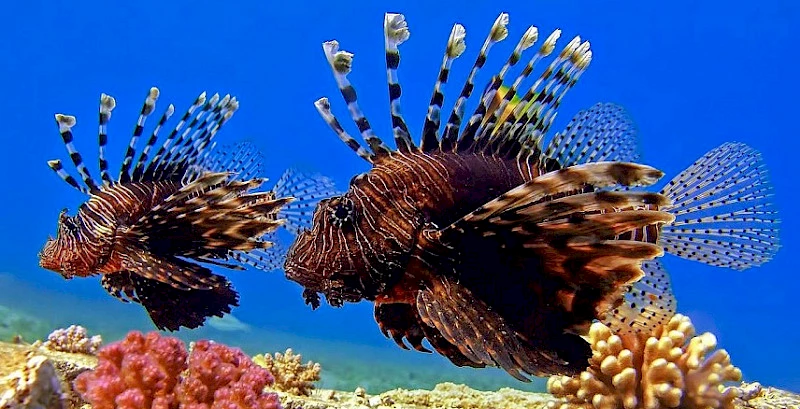
Scorpionfish are one of the most dangerous types of fish in the Mediterranean. Thanks to their coloration, they are well-camouflaged against rocks, the seabed, and seaweed, making them difficult to spot even at shallow depths. In Northern Cyprus, special attention should be paid to rocky sections of the bottom, reefs, and areas near cliffs.
The danger comes from venomous spines that cause sharp pain, burning, swelling, and sometimes loss of sensation. The most famous representative of this group is the lionfish. It looks spectacular, but it must not be touched with bare hands.
Weaver fish
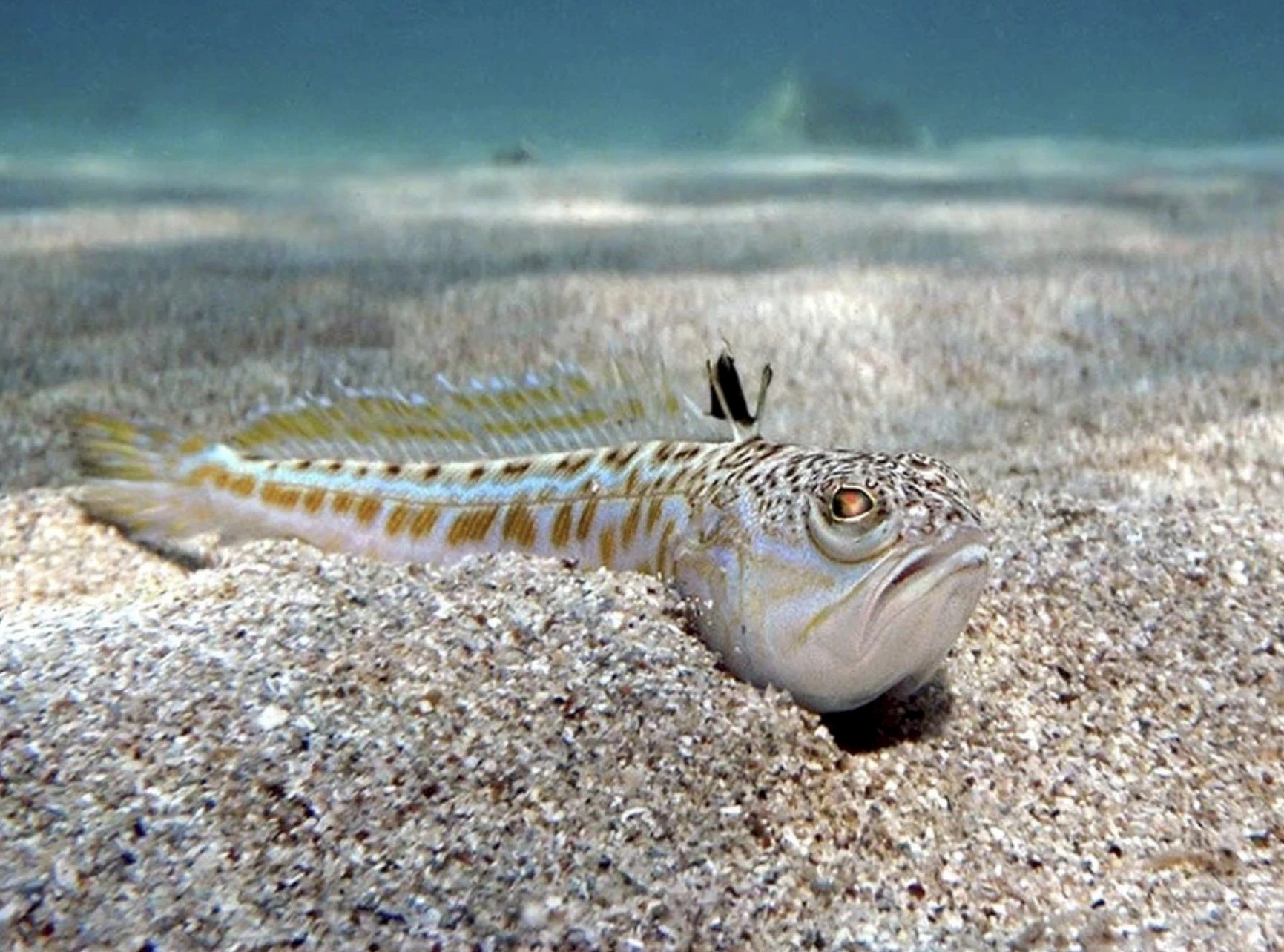
The weaver fish is one of the most unpleasant fish for ordinary beach vacations. The danger lies in its habit of burying itself in the sand, making it easy to miss in shallow water. If stepped on or touched carelessly, its spines cause very intense pain, burning, redness, and swelling.
In Northern Cyprus, this is one of the most practical risks specifically on beaches. Therefore, in sandy shallows, especially in Famagusta Bay and the Lapta area, water shoes are usually more useful than they might seem.
Striped eel catfish
The striped eel catfish is an invasive species, first spotted off the coast of Cyprus in 2022, near the Apostle Andreas Monastery. For humans, it is dangerous due to venomous spines on the dorsal and pectoral fins.
A sting causes severe pain, swelling, and inflammation. An additional problem is that this fish can stay in dense schools, so accidental contact may involve several individuals at once rather than just one.
Stonefish
 |
 |
 |
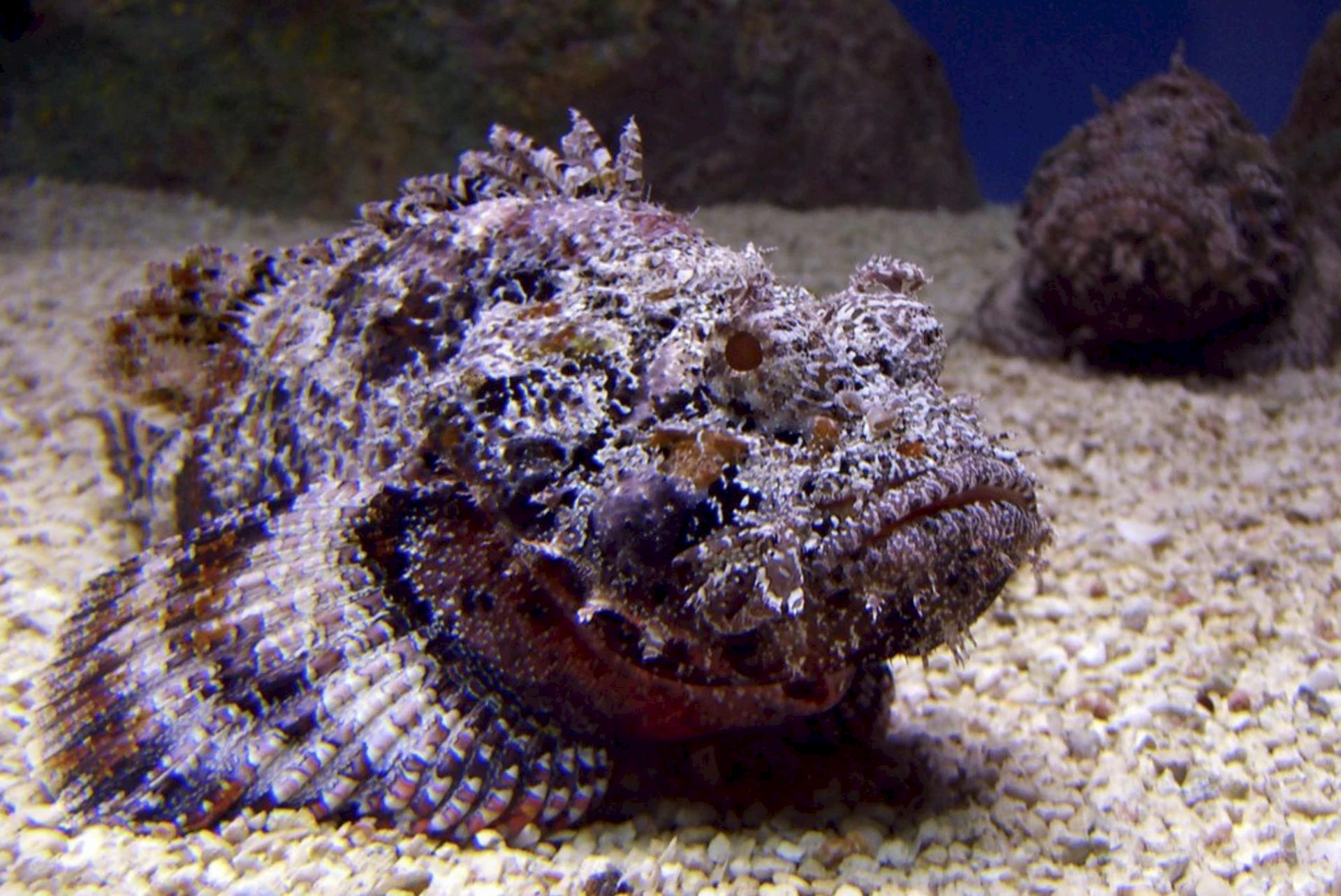
The stonefish is one of the most venomous marine species in the world. It lives among rocks and on the bottom, almost completely blending in with its surroundings. The danger is that a person might simply not realize what they have stepped on.
The venom in this fish's spines can cause extreme pain shock, severe local reactions, and systemic symptoms. In Northern Cyprus, this is a rare risk, but that is exactly why it is useful to know about it in advance.
Bluefish

The bluefish is not venomous, but it is dangerous due to its sharp teeth and aggressive behavior after being caught. For swimmers, it usually poses no significant risk, but for fishers, it can be a source of deep wounds when being removed from a hook, a keepnet, or a net.
When sea fishing, it is safer to use a hook removal tool rather than grabbing an active bluefish with your hand near its mouth.
Moray eel
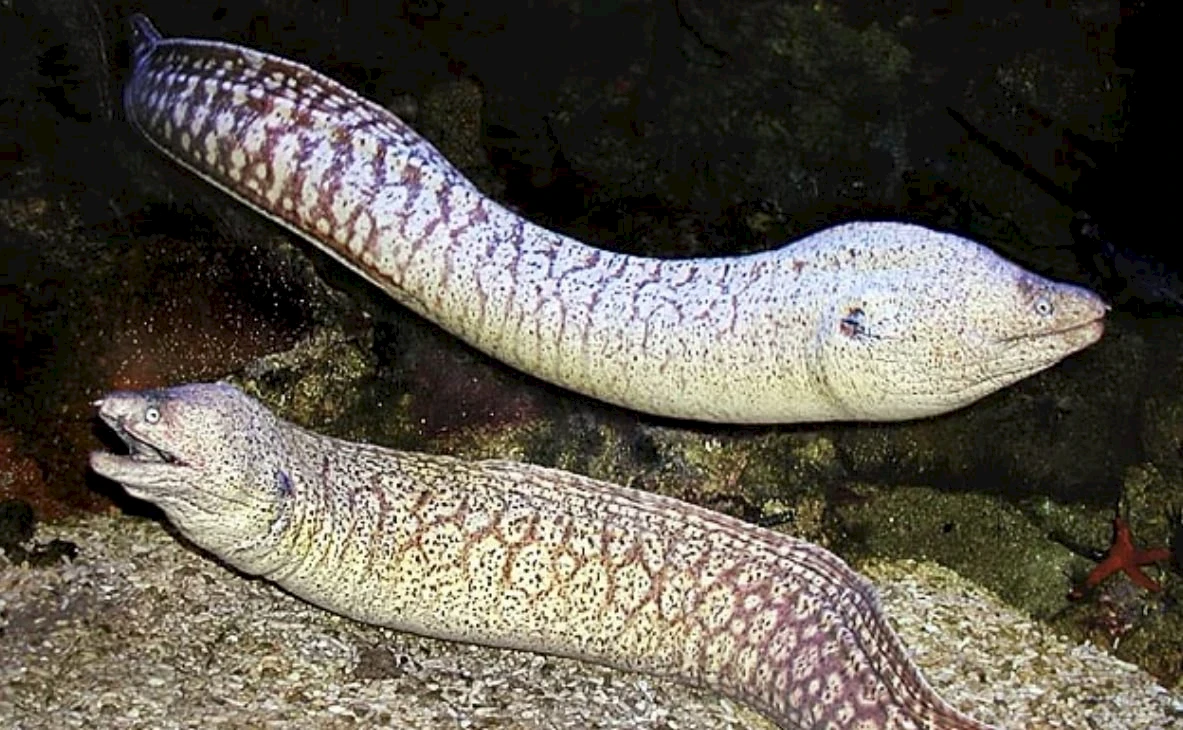
The moray eel is not venomous, but it has powerful jaws and a painful bite. Usually, it does not attack first and prefers to stay in its shelter. Problems arise when a person tries to stick a hand into a rocky crevice, under a stone, or attempts to pull the fish out of a hole.
For snorkeling and diving, the rule here is simple: look, but don't touch. This is especially important on rocky coastlines.
Silver-cheeked toadfish
The silver-cheeked toadfish, or lagocephalus, is dangerous in two ways. First, it has very strong teeth that can easily bite through fishing line and gear and can seriously injure fingers. Second, it is a toxic species: it must not be eaten.
If such a fish is caught, it should not be prepared for consumption without a clear understanding of what species it is. For vacationers, the main takeaway is simple: do not buy suspicious fish from random sellers and do not try an unknown catch on the spot.
How to reduce risk on the beach and in the water
Most unpleasant encounters with dangerous fish in Northern Cyprus occur not during deep diving, but in very ordinary situations: someone walking barefoot in shallow water, grabbing a fish after catching it, or reaching into rocks. Therefore, basic precautions work very well.
- do not enter the water barefoot on unfamiliar rocky or mixed bottoms;
- use water shoes in sandy shallows if you are going far out;
- do not touch unfamiliar fish with your hands, even if they seem small or sluggish;
- do not stick your hands into crevices, rocks, artificial reefs, or under piers;
- when fishing, use a tool to remove fish from the hook;
- do not consume suspicious toadfish or any other unknown catch.
What to do in case of a fish sting or bite
In the event of a venomous spine sting or a suspicious bite, you should not assume that it will go away on its own. The most common effective first aid for stings from weaver fish, scorpionfish, and similar species is to wash the contact site and submerge the affected body part in warm water for about 30–90 minutes. The water should be warm, but not scalding.
How to do it
- Immediately wash the wound with clean sea or fresh water.
- Submerge the affected body part in warm water (40–45 °C) for 30–90 minutes.
- Do not squeeze or cut the wound.
- Seek medical attention as quickly as possible.
- If the victim loses consciousness, experiences convulsions, weakness, or breathing problems, call for emergency help immediately.
What else is useful to check before heading to the sea
If you are fishing, it is also useful to check the material on what fish can be caught in Northern Cyprus and the best fishing spots on the island. If you are gathering gear, the article on where to buy fishing tackle will be helpful. For spearfishers, a separate piece on whether you can hunt with a speargun in Northern Cyprus is also available.
If you are traveling to a remote part of the coast, car rental and a travel eSIM might be useful for the road and navigation.
Frequently Asked Questions
Are there venomous fish off the coast of Northern Cyprus?
Yes. Primarily, these include scorpionfish, weaver fish, striped eel catfish, and the extremely rare stonefish.
Which fish is most dangerous for an ordinary swimmer?
In practice, the weaver fish causes problems most often because it hides in the sand in shallow water and can be stepped on.
Can you eat toadfish if it is fresh?
No. The silver-cheeked toadfish is considered a toxic species and cannot be regarded as a safe fish for domestic consumption.
Is the lionfish dangerous in Northern Cyprus?
Yes. The lionfish has already established itself off the coast of Cyprus, and its spines are venomous. It must not be touched with your hands.
What should you do if you step on a venomous fish?
Wash the contact site, submerge the affected part in warm water, and seek medical help as quickly as possible, especially if the pain is severe or the condition worsens.
Are water shoes necessary in Northern Cyprus?
In many places, yes, especially on rocky shores and in sandy shallows where weaver fish may be hiding.
Author

I am a person who is not afraid to change life when my heart tells me that something greater lies ahead. I am originally from Belarus. I have journeyed from pedagogical and economic education to the financial sector and many years of work in logistics — a world where everything moves, changes,…
You may also be interested in:
- Early Flowers in Northern Cyprus: Anemones and Other Winter-Spring Plants
- Do you need to notify the veterinary service if your pet has died in Northern Cyprus?
- Where to buy party supplies in Northern Cyprus
- Where to buy horse riding tack and equipment in Northern Cyprus
- Идеи подарков на День святого Валентина на Северном Кипре